
meet.barcelona

Visit and love it
Institut Municipal Fundació Mies van der Rohe
Download date: 21/10/2026
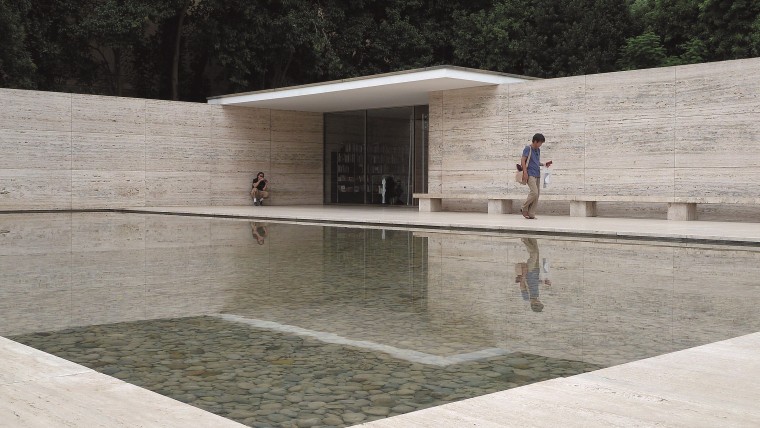
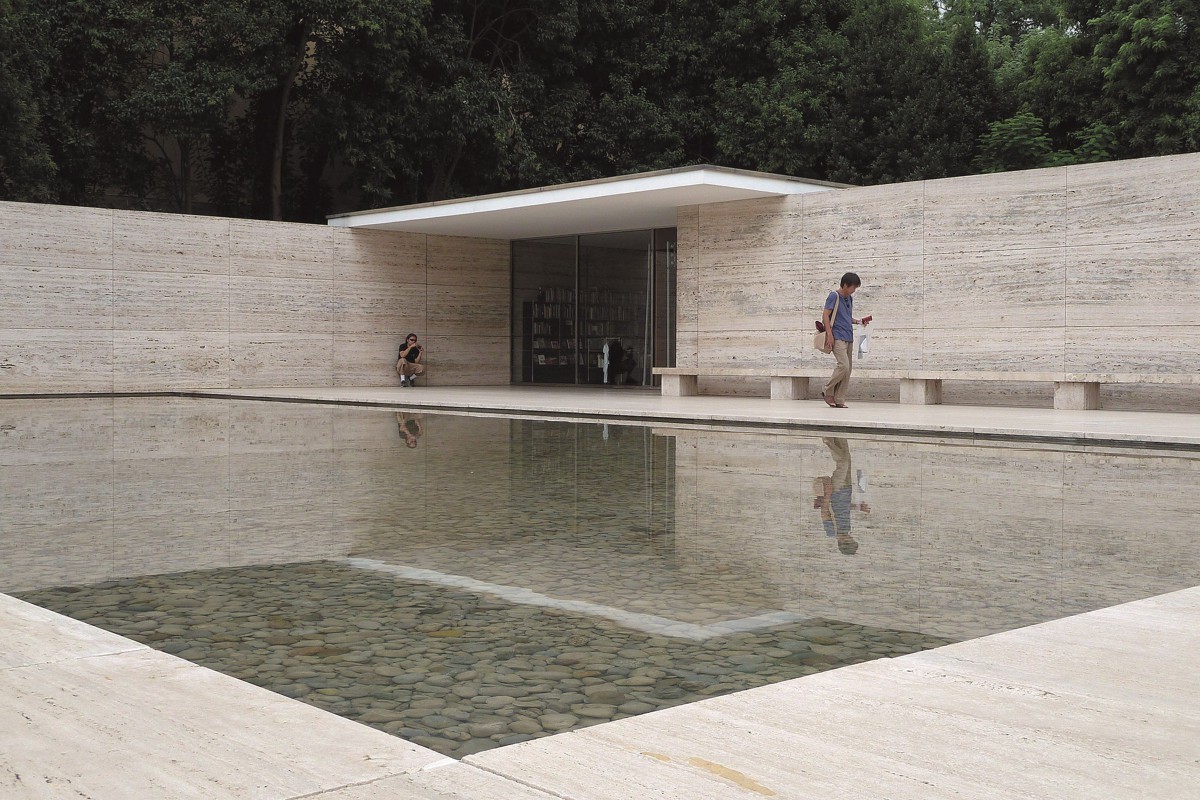
International symbol of rationalist architecture, the Mies van der Rohe Pavilion, situated in Montjuïc Park, is one of the gems of architectural design in Barcelona.
-

Cultural heritage
An architectural landmark
Also known as the Pavelló Alemany (German Pavilion), the Mies van der Rohe Pavilion,hidden away in a corner of Montjuic Park,is a world famous construction and architectural landmark from the early avant-garde period of the 1920s. The architect Mies van der Rohe, who was also director of the Bauhaus, designed this building to represent Germany in the Barcelona International Exposition of 1929. Known as the father of modern architecture, Van der Rohe incorporated in the design of this building the basis of his philosophy: perfect symmetry, translucent spaces, clarity, simplicity and minimalism. This is how he wanted to represent the Germany of the Weimar Republic following the First World War, and this building was intended to be a symbol of all these elements.
Faithful design
The pavilion was removed in 1930 and in 1989 it was decided to reconstruct it due to the importance of its design as a piece of modern architecture.The four different types of marble originally used, Roman travertine, green marble from the Alps, ancient green marble from Greece and golden onyx from the Atlas Mountains, were also used in the reconstruction, along with the sculpture of George Kolbe strategically located next to the pond, playing with the light and reflections of the water. Currently home to a Foundation, the building is open to the public and is mainly dedicated to disseminating the work of the architect and to promoting the debate on architecture and modern and contemporary art.
 :
:
Location and contact
Location and contact


Institut Municipal Fundació Mies van der Rohe
- Address:
- Avinguda de Francesc Ferrer i Guàrdia, 7
- Districte:
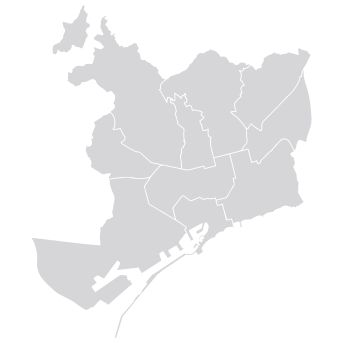
- Sants-Montjuïc
- Neighborhood:
- el Poble-sec
- City:
- Barcelona
-

- Phone number
- 932151011 (Tel.)
-

- Links
- Web: https://miesbcn.com/ca/
- Email: pavello@miesbcn.com
Timetable and prices
Timetable
| Period | Dies | Hores | Preus |
|---|---|---|---|
| De l'1 March al 31 October | Every day | From 10:00 am to 8:00 pm | General admission: €9 . Reduced: €5 - students - unemployed people - Targeta Rosa Reduïda - Targeta Família Nombrosa . Groups: €7 per person (minimum 15 people and advance booking required) . 25% discounts - tourist bus ticket - BCN Card - Barcelona City Tour ticket - architects registered with COAC - members of Docomomo International . Free admission: - first Sunday of the month - under 16s - ICOM card holders - professional tourist guides and practising journalists - Passi Metropolità d’Acompanyant d’un Discapacitat - teachers in formal education accompanying student groups - Associació Museòlegs de Catalunya card holders - Targeta Rosa Gratuïta - primary, secondary, baccalaureate and vocational education students from Catalan educational centres on pre-booked school visits during school hours - holders of the disability accreditation card issued by the Government of Catalonia (if a third-person assistance rating is recognised, one companion is also admitted free of charge) - 23 April (Sant Jordi) - 24 September (La Mercè) Specialised architecture tour: €115. Private guided tour service for a maximum of 25 people, advance booking required. |
| 26 October, 27 October, 30 October i 31 October |
de 10.00 h a 15.00 h | ||
| 28 October | de 10.00 h a 17.00 h | ||
| 29 October | de 10.00 h a 14.00 h | ||
La Nit dels Museus 2025: 18 May |
From 7.00 pm to 1.00 am | Free admission |
|
| De l'1 November al 28 February | Open daily Except 31 January Closed on 3, 4 and 6 February |
From 10:00 am to 6:00 pm | General admission: €9 . Reduced: €5 - students - unemployed people - Targeta Rosa Reduïda - Targeta Família Nombrosa . Groups: €7 per person (minimum 15 people and advance booking required) . 25% discounts - tourist bus ticket - BCN Card - Barcelona City Tour ticket - architects registered with COAC - members of Docomomo International . Free admission: - first Sunday of the month - under 16s - ICOM card holders - professional tourist guides and practising journalists - Passi Metropolità d’Acompanyant d’un Discapacitat - teachers in formal education accompanying student groups - Associació Museòlegs de Catalunya card holders - Targeta Rosa Gratuïta - primary, secondary, baccalaureate and vocational education students from Catalan educational centres on pre-booked school visits during school hours - holders of the disability accreditation card issued by the Government of Catalonia (if a third-person assistance rating is recognised, one companion is also admitted free of charge) - 23 April (Sant Jordi) - 24 September (La Mercè) Specialised architecture tour: €115. Private guided tour service for a maximum of 25 people, advance booking required. |
Events
Events
-
Intervenció artística 'Pavelló-Laberint', de Ciro Najle i Josep Ferrando
When: From 12/11/2026 to 22/11/2026
-
Visites al Pavelló Mies Van Der Rohe
When: Permanent event
-
Taller familiar 'Mira, enquadra, Clica!', a càrrec d'Anna Mas i Talens
When: From 15/03/2026 to 20/12/2026
Observacions
The Mies van der Rohe Pavilion, a symbol of the Modern Movement, is a key work of 20th-century architecture. Reconstructed in 1986 on its original site, it remains a benchmark for understanding architectural modernity.
Designed by Ludwig Mies van der Rohe and Lilly Reich as the German Pavilion for the 1929 Barcelona International Exposition, the Mies van der Rohe Pavilion is a foundational work of the Modern Movement. Conceived using glass, steel and noble stones (Roman travertine, green marble from the Alps, ancient green marble from Greece and golden onyx from the Atlas Mountains), the building encapsulates the ideal of modernity through constructive precision and spatial clarity. Dismantled in 1930 and later established as an unquestionable reference, it was reconstructed between 1983 and 1986 by Solà-Morales, Cirici and Ramos. The space preserves iconic elements such as the Barcelona chair, created by the same authors, and Georg Kolbe’s sculpture Alba, positioned so that reflections multiply its presence and enhance the dialogue between form, material and architecture.
Discover other related points of interest
-
Magic Fountain
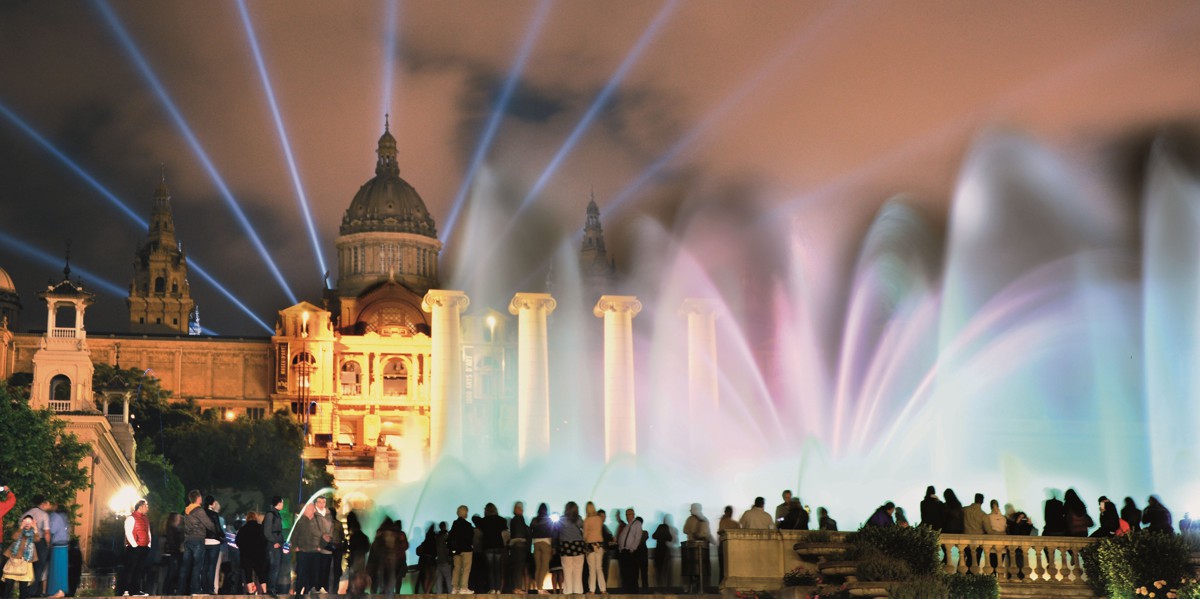
Plaça de Carles Buïgas 1
-
Palau de la Premsa
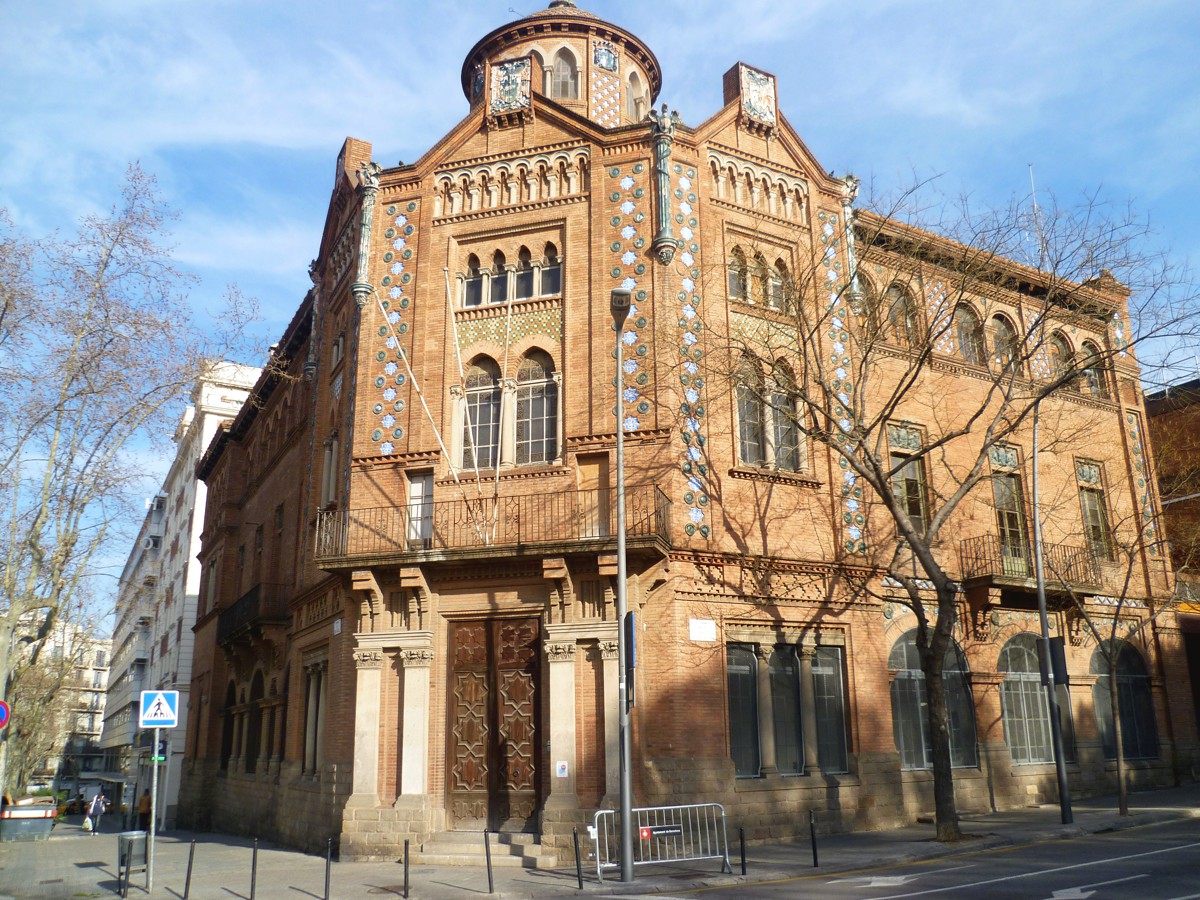
Av Rius i Taulet 5
-
Mossèn Jacint Verdaguer School
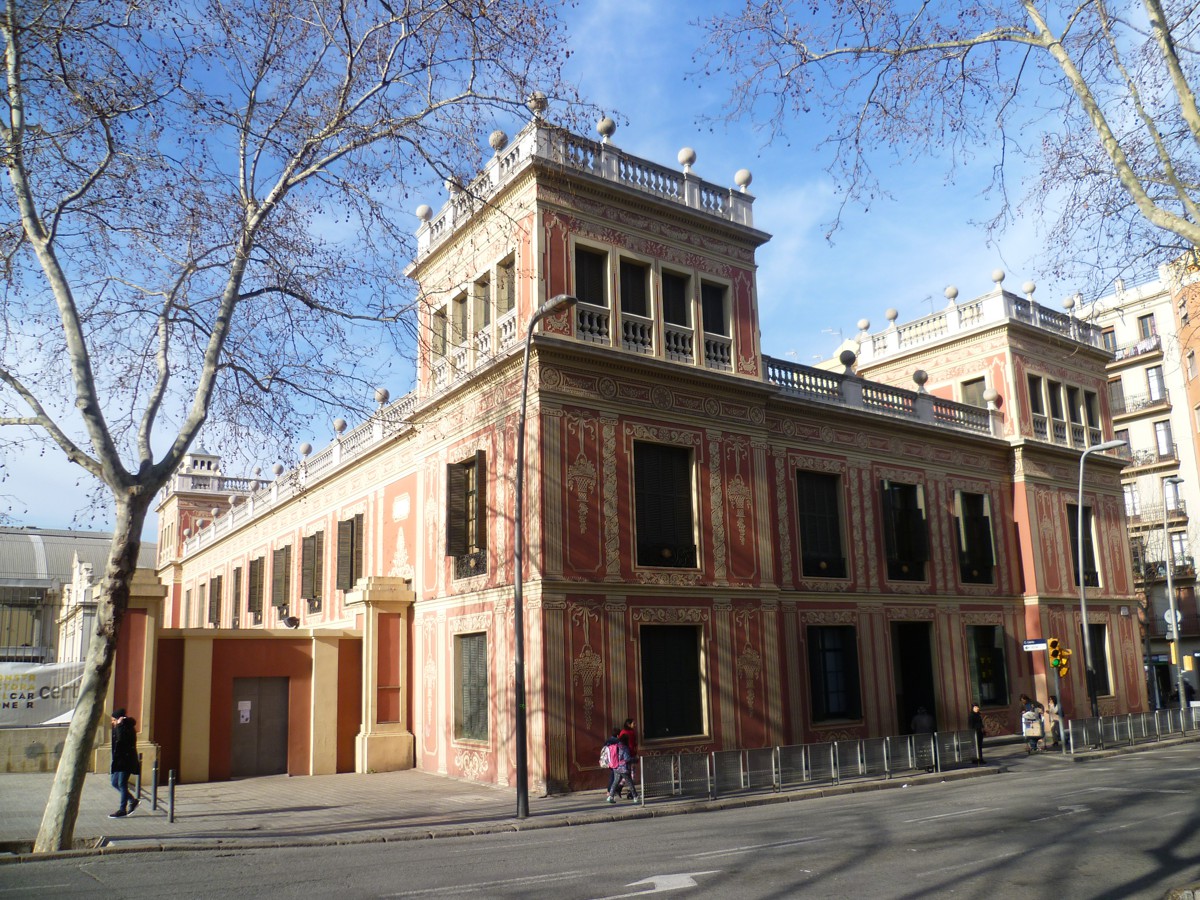
Carrer de Lleida 32